
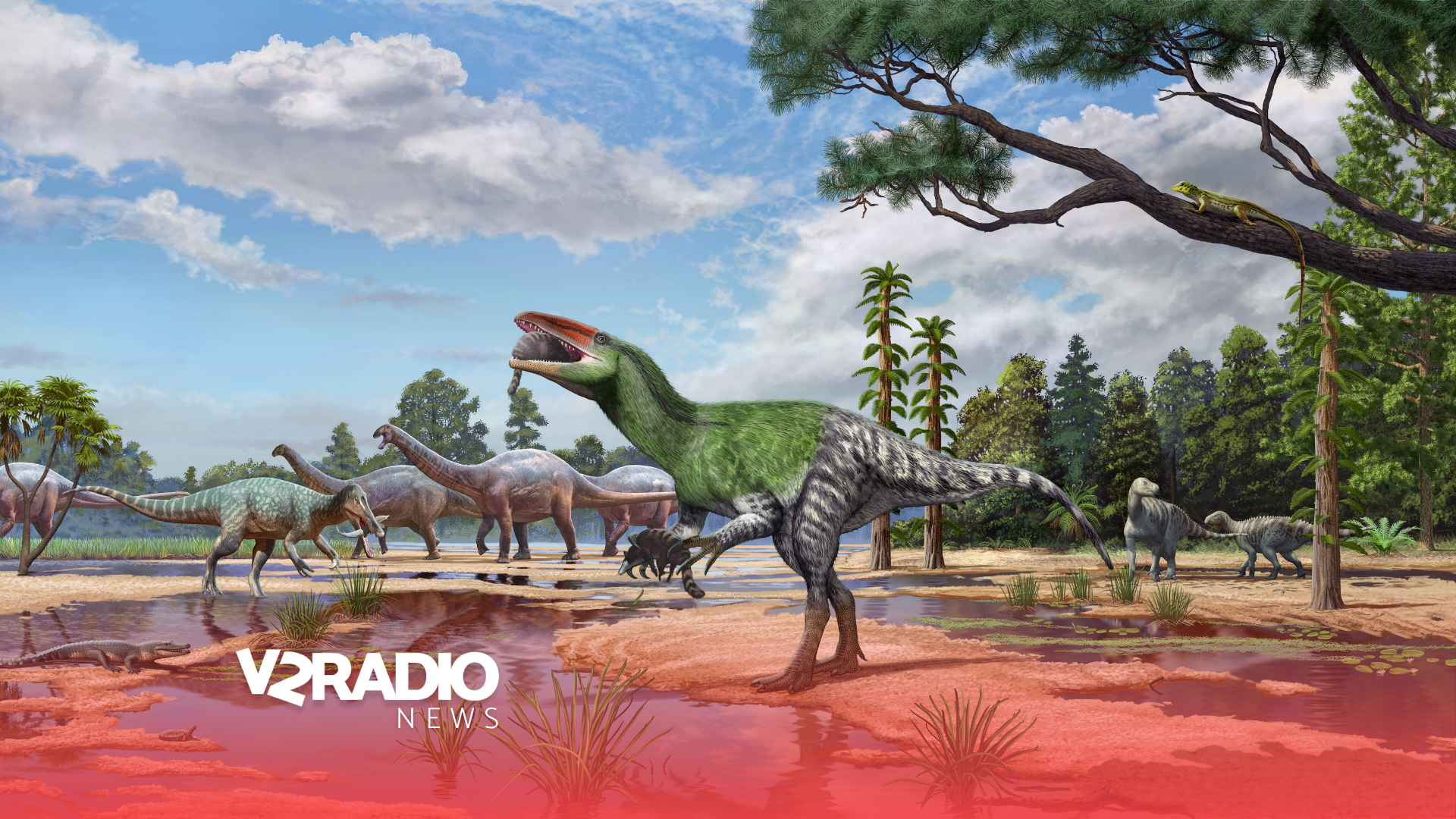
A new species of meat-eating dinosaur, armed with giant claws and roughly the size of a large tiger, has been identified from a fossil discovered on the Isle of Wight more than a century ago.
The dinosaur, named Invictibellatrix amberina, lived around 120 million years ago and is believed to have been a fast-moving predator capable of hunting smaller dinosaurs, lizards and mammals.
Remarkably, the fossil had been sitting in the Natural History Museum's collection since 1924, largely overlooked until researchers examined it using modern scanning technology.
The discovery, published in the scientific journal Royal Society Open Science, is particularly significant because it provides the first evidence that a mysterious group of carnivorous dinosaurs known as megaraptorans once roamed Europe.
Unlike the famous Tyrannosaurus rex, which relied on its powerful jaws to attack prey, megaraptorans had relatively slender heads and used their powerful arms and enormous curved claws to hunt.
Scientists estimate the newly identified Isle of Wight dinosaur would have measured between three and four metres long and stood just over one-and-a-half metres tall.
It may also have been covered in feathers, with claws measuring between 10 and 20 centimetres.
Dr Cassius Morrison, from University College London's Department of Earth Sciences, who led the research, said the dinosaur would have occupied a similar position in the food chain to a modern-day hyena.
He also suggested the animal could have posed a considerable danger to humans, had they existed at the same time.
Dr Morrison said: "It was not the apex predator of its time, but for humans this dinosaur would have been more dangerous than a T. rex. We would have been perfectly sized prey, about a third of their body weight. They definitely would have chased us. A T. rex would not have bothered, as we would have been too small."
The fossil was originally discovered at the foot of a cliff on the south-west coast of the Isle of Wight by amateur palaeontologist Reginald Walter Tooley.
It was among more than 1,000 specimens collected by Tooley and later acquired by the Natural History Museum following his death.
Despite being preserved for decades, the fossil, consisting of part of the back of the dinosaur's skull, had never been fully investigated.
Professor Paul Barrett, senior author of the study from the Natural History Museum, said the discovery demonstrated the continuing importance of the Isle of Wight to dinosaur research.
"Despite over 200 years of collecting, the Isle of Wight continues to surprise us with new dinosaur species, and finds of carnivorous dinosaurs, such as Invictibellatrix, have been particularly elusive.
“Work like this shows the exceptional value of working with historical museum collections where there are still many discoveries to be made.”
Researchers used advanced CT scanning technology to create a detailed 3D model of the fossil, including the internal structure of the skull.
By comparing its unusual features with those of other carnivorous dinosaurs, including tyrannosaurs and raptors, they established that it belonged to a previously unknown species.
The discovery also helps scientists understand how megaraptorans spread around the world.
Until now, fossils of these predators had not been found in Europe, leaving a missing link in theories about their migration from Asia to the southern continents.
Charlie Scherer, a PhD student at UCL Earth Sciences and co-author of the research, said the discovery provides important evidence that megaraptorans travelled through Europe before reaching the ancient southern landmass known as Gondwana.
Over millions of years, some members of the group evolved into enormous predators.
One species discovered in Argentina, Maip macrothorax, is estimated to have reached up to ten metres in length and weighed as much as an elephant.
The new dinosaur's scientific name also carries a special meaning.
Invictibellatrix translates as 'unconquered female warrior', reflecting the formidable predators that members of this dinosaur family would eventually become.
The second part of its name, amberina, refers to amber found in the rocks where the fossil was discovered.
Researchers say the name was also chosen to offer a message of strength and hope to people experiencing bullying, discrimination and oppression.
The findings highlight how the Isle of Wight remains one of Britain's most important locations for prehistoric discoveries.
Scientists believe many more fossils could still be waiting to reveal their secrets, both in the island's cliffs and in museum collections.
The research was supported by the Palaeontographical Society, the Royal Society and UK Research and Innovation.
HALF PRICE. BIG SAVINGS. DON'T MISS OUT!
STOP PAYING FULL PRICE! Get 50% OFF restaurants, days out, attractions and unforgettable experiences across the SOUTH. GRAB YOUR DEALS NOW at WWW.V2VOUCHERS.CO.UK
BREAKING NEWS ACROSS THE SOUTH
Don't miss the stories that matter to you! Get BREAKING NEWS ALERTS sent STRAIGHT TO YOUR PHONE. Download the FREE V2 RADIO APP today! Seen something? Know something? Got a story we should be covering? BE OUR EYES AND EARS. Email news tips, images and video to news@v2radio.co.uk

 Two men arrested following violent knife incident at Worthing railway station
 Chichester Festival Theatre responds after performance cancelled following reported assault on cast member - Updated: 10:23 14.10.2026
 Urgent police appeal to find missing woman last seen at Southampton railway station
 Sussex Police issue urgent warning over scam calls impersonating cybercrime officers
 New Chichester exhibition celebrates remarkable women who helped shape local history
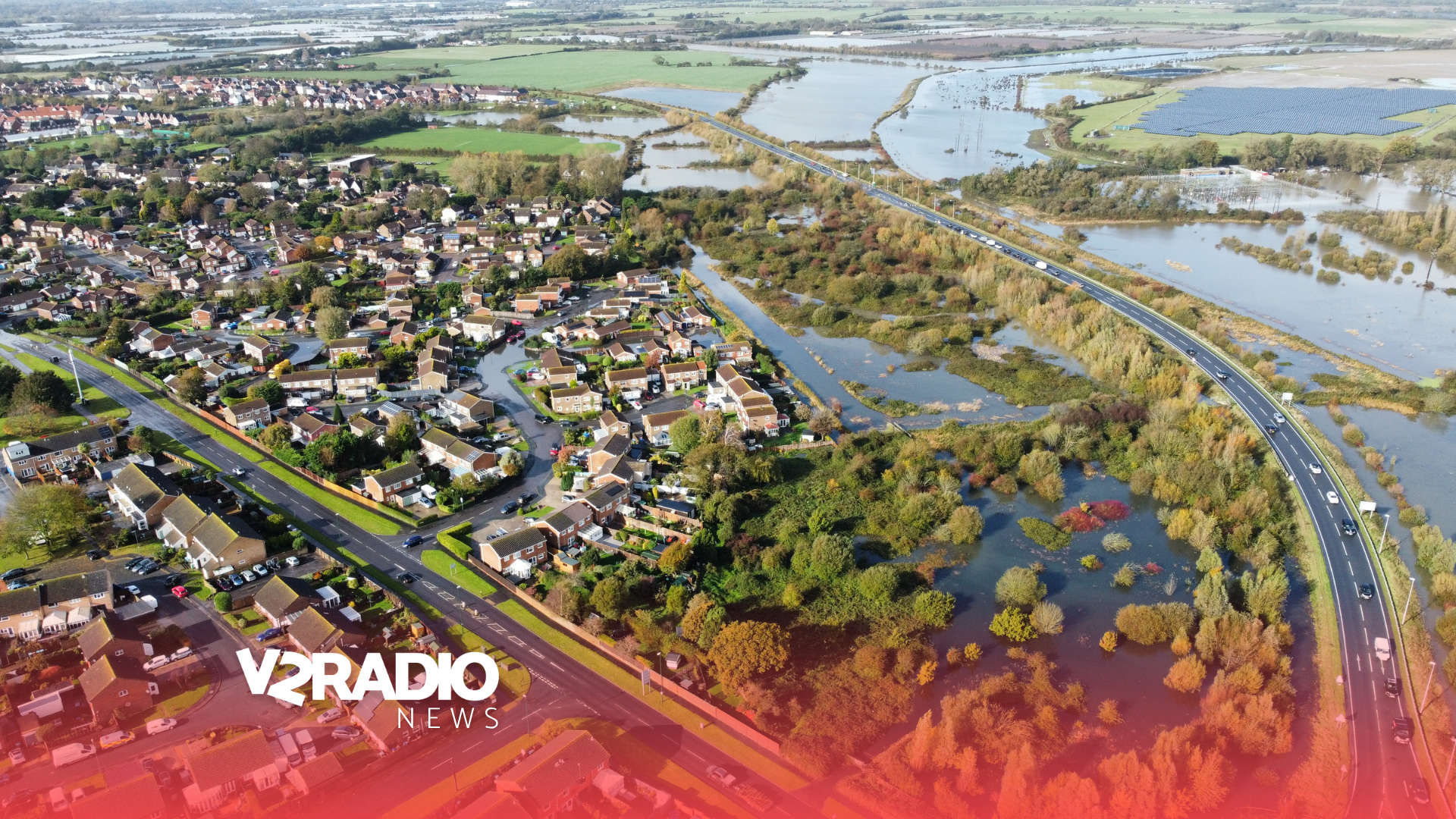 West Sussex residents urged to prepare for flooding as £32,000 invested in village improvements
 Man charged with Brighton sexual assault
 Warning Southampton must move beyond student flats to rival biggest competitors
 Women less likely to receive lifesaving CPR as South East ambulance service launches new campaign
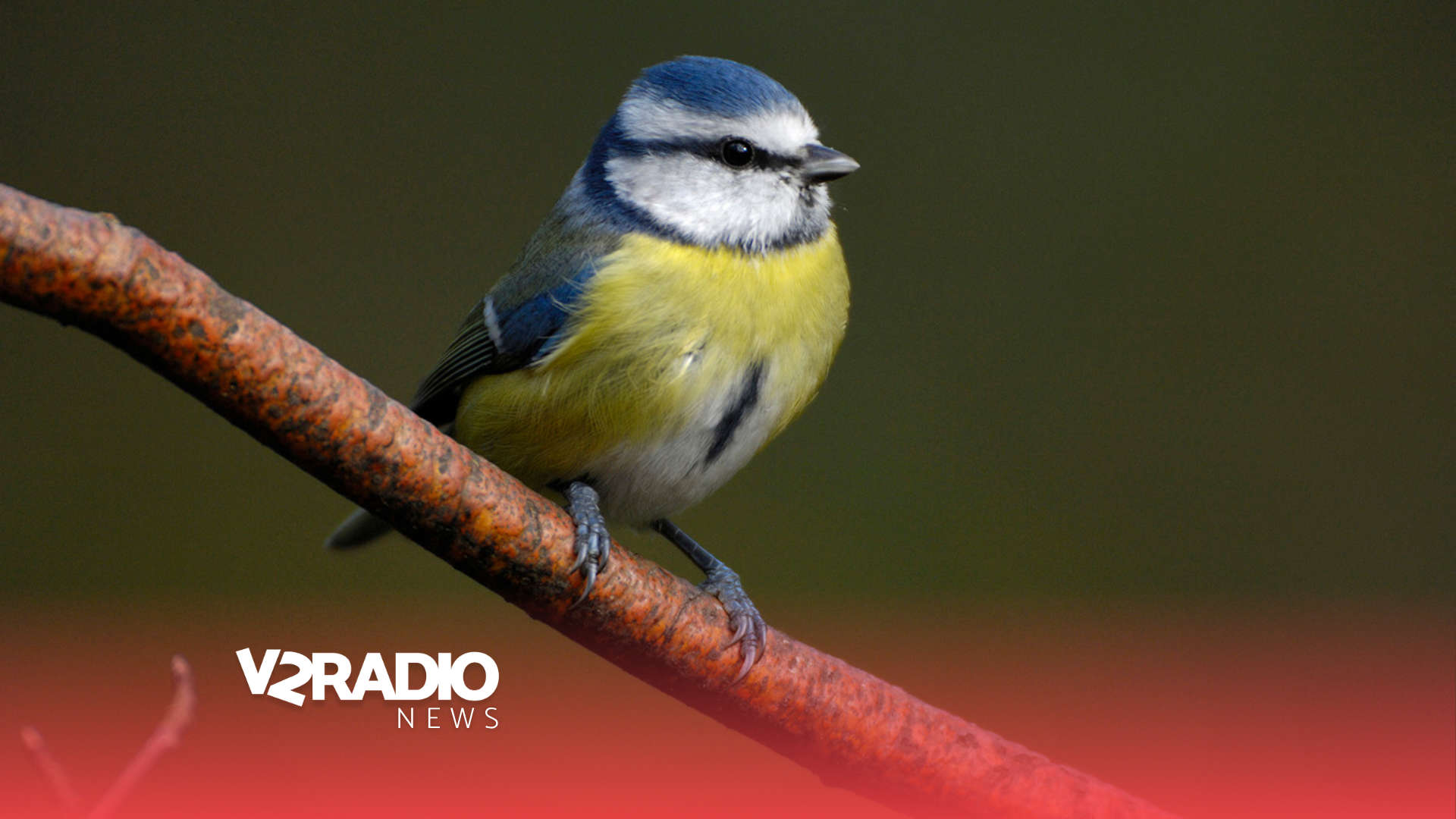 West Sussex bird lovers invited to take part in RSPB's Big Garden Birdwatch 2027