
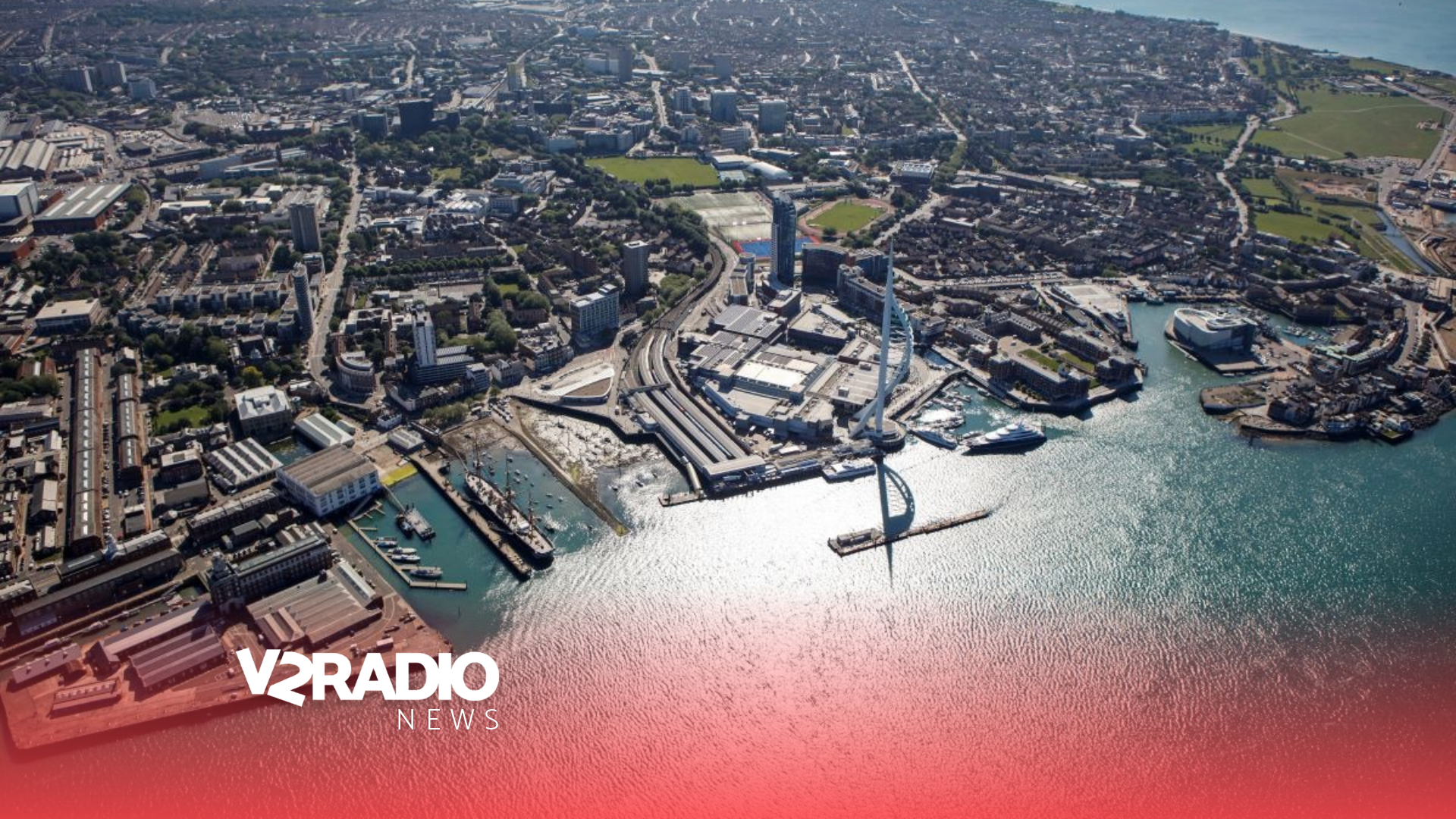
A lower risk of radiation emergencies from nuclear-powered submarines has prompted Portsmouth City Council to slash its emergency planning zone by more than half.
The council has agreed to reduce the emergency planning zone around the city’s naval submarine berths by more than half, following a review by the Ministry of Defence (MoD).
The detailed emergency planning zone (DEPZ) will shrink from 1.5km to 700 metres, which will exclude all residents who currently receive a booklet every three years on the risks.
The zone exists to ensure authorities can take swift action to protect the public in the unlikely event of a radiation emergency involving a nuclear-powered submarine.
Under national regulations, councils must prepare plans for measures such as evacuation, sheltering indoors and providing stable iodine tablets if required to reduce exposure to radiation.
The MoD recommended the change, saying newer submarine reactor technology has reduced the likelihood and potential impact of a radiation emergency affecting the public.
The review followed the decommissioning of the last Trafalgar Class submarine in July 2025. These vessels were the last to use the first generation of pressurised water reactors (PWR), which have since been replaced by newer technology.
This results in a reduced likelihood of a radiation emergency occurring.
The revised zone will largely sit within HM Naval Base Portsmouth, with parts of Burrow Island near Gosport also included.
Councillor Matthew Winnington said “this makes things a lot easier for us” as the zone is “entirely within the dockyard’s space” creating a reduced risk for the city.
Cllr Lee Hunt said “It’s an important report not least because of the current situation across the world at the moment” with “Russia being extremely aggressive towards Europe”.
On the newer class of submarine technology he said he’s been “informed they are safer”.
The UK’s is developing Dreadnought-class submarines are a new generation of nuclear-powered submarines being built to replace the Royal Navy’s Vanguard class.
They will carry Trident nuclear missiles, maintaining Britain’s continuous at-sea nuclear deterrent. Four are planned, with the first expected to enter service in the 2030s.
They contain the PWR3 Rolls-Royce-designed reactors which use nuclear fission to generate steam for propulsion and electricity, offering simpler operation, longer service life and reduced maintenance costs.
BREAKING NEWS ACROSS THE SOUTH
Don't miss the stories that matter to you! Get BREAKING NEWS ALERTS sent STRAIGHT TO YOUR PHONE. Download the FREE V2 RADIO APP today! Seen something? Know something? Got a story we should be covering? BE OUR EYES AND EARS. Email news tips, images and video to news@v2radio.co.uk
HALF PRICE. BIG SAVINGS. DON'T MISS OUT!
STOP PAYING FULL PRICE! Get 50% OFF restaurants, days out, attractions and unforgettable experiences across the SOUTH. GRAB YOUR DEALS NOW at WWW.V2VOUCHERS.CO.UK

 Global Microsoft outage causes disruption to businesses and emergency services across Sussex and Hampshire
 Man from Southwick who ran multiple company scams jailed for 12 years
 Two West Sussex MPs call to end Arun coalition
 Calls made in Portsmouth for govt to U-turn on scrapping youth parliament
 Portsmouth convenience store ordered to remain closed after mouse droppings found on food products
 West Sussex residents urged to have their say on new Young People’s Strategy
 Hannah McAdams named Sussex Youth Theatre’s Rising Star 2027
 Worthing Lido restoration campaign takes major step forward
 Police investigate six farm burglaries across East Sussex as CCTV of suspects released
 Police release CCTV image after Lidl worker pushed during incident in Purbrook