
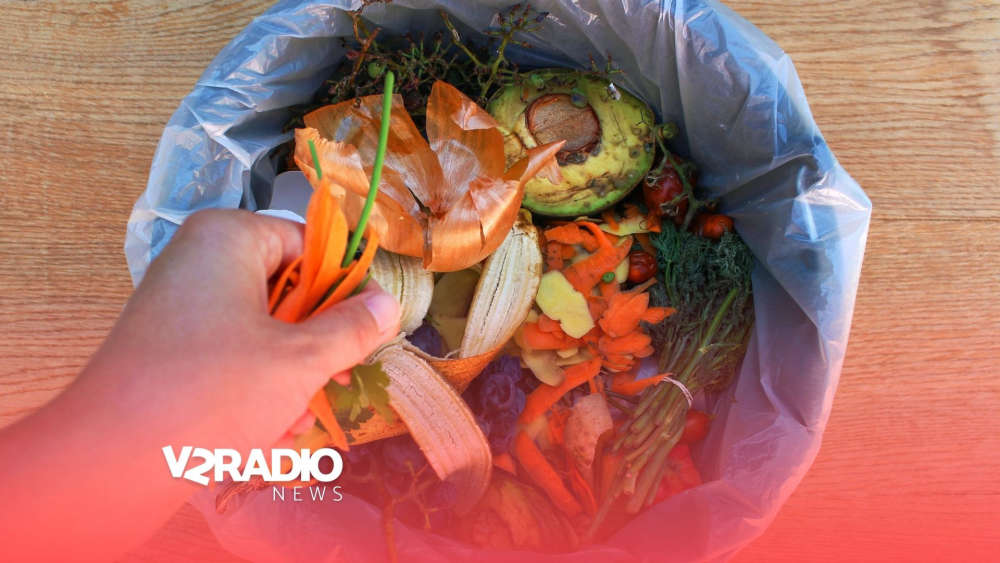
Weekly food waste collections will begin in parts of Adur and Worthing from September, as councils prepare to introduce the new service in phases.
Weekly food waste collections will begin in parts of Adur and Worthing from September, as councils prepare to introduce the new service in phases.
Households included in the first stage are being sent letters, with starter packs delivered before their collections begin.
Each home will be told its precise starting date when the pack arrives.
Adur & Worthing Councils say around one-third of the rubbish currently placed in local general waste bins is food waste.
What will residents receive?
People living in houses will be given:
a small kitchen caddy
a 23-litre outdoor bin with a lockable orange lid
an information leaflet
an initial roll of compostable liners
Residents in flats will receive a kitchen caddy, leaflet and liners, while larger communal food waste bins will be provided for bin stores.
The food waste bin will be emptied every week, on the same day as either the household’s recycling or general waste collection.
Existing rubbish and recycling collections will continue on alternate weeks.
The councils say food bins will be emptied regardless of how little they contain.
What can be placed in the food waste bin?
The service will accept cooked and uncooked food, including:
meat, fish and bones
fruit and vegetable peelings
bread, cakes, rice and pasta
dairy products
plate scrapings
tea bags and coffee grounds
pet food
mouldy or out-of-date food
Residents must remove all packaging before putting food into the caddy.
Liquids, cooking oils, plastic bags, flowers and animal waste must not be included.
Waste turned into energy and fertiliser
Collected food waste will be transported to an anaerobic digestion plant near Horsham.
The process converts it into biofertiliser for local farmers and renewable energy to power the plant.
Any surplus electricity will be sent to the National Grid to help power homes and businesses.
The councils say separating food waste can also make people more aware of how much they throw away and may encourage households to waste less.
Around 70 per cent of the food found in local rubbish bins could once have been eaten, according to figures published by the councils.
Households which do not receive a letter or starter pack during August will be included in a later phase and contacted with further information.

 CCTV to be tested at West Sussex roadworks following abuse of highways staff
 Four homes seriously damaged as Crawley fire spreads to ten properties
 Historic West Sussex school suddenly closes
 University of Chichester heat chamber features in Death Valley ultramarathon film
 Five-court padel centre planned for Plumpton Racecourse
 Three-year-old boy seriously injured in campsite collision near Chichester
 Police cordon in place at Eastbourne shopping centre updated: @19:55 01/08/2026
 Nearly £5m Worthing coastal defence project completed
 University of Chichester heat chamber features in film about Death Valley ultramarathon
 Fire Officer to kayak across Sussex Bay for charity






 On Air