
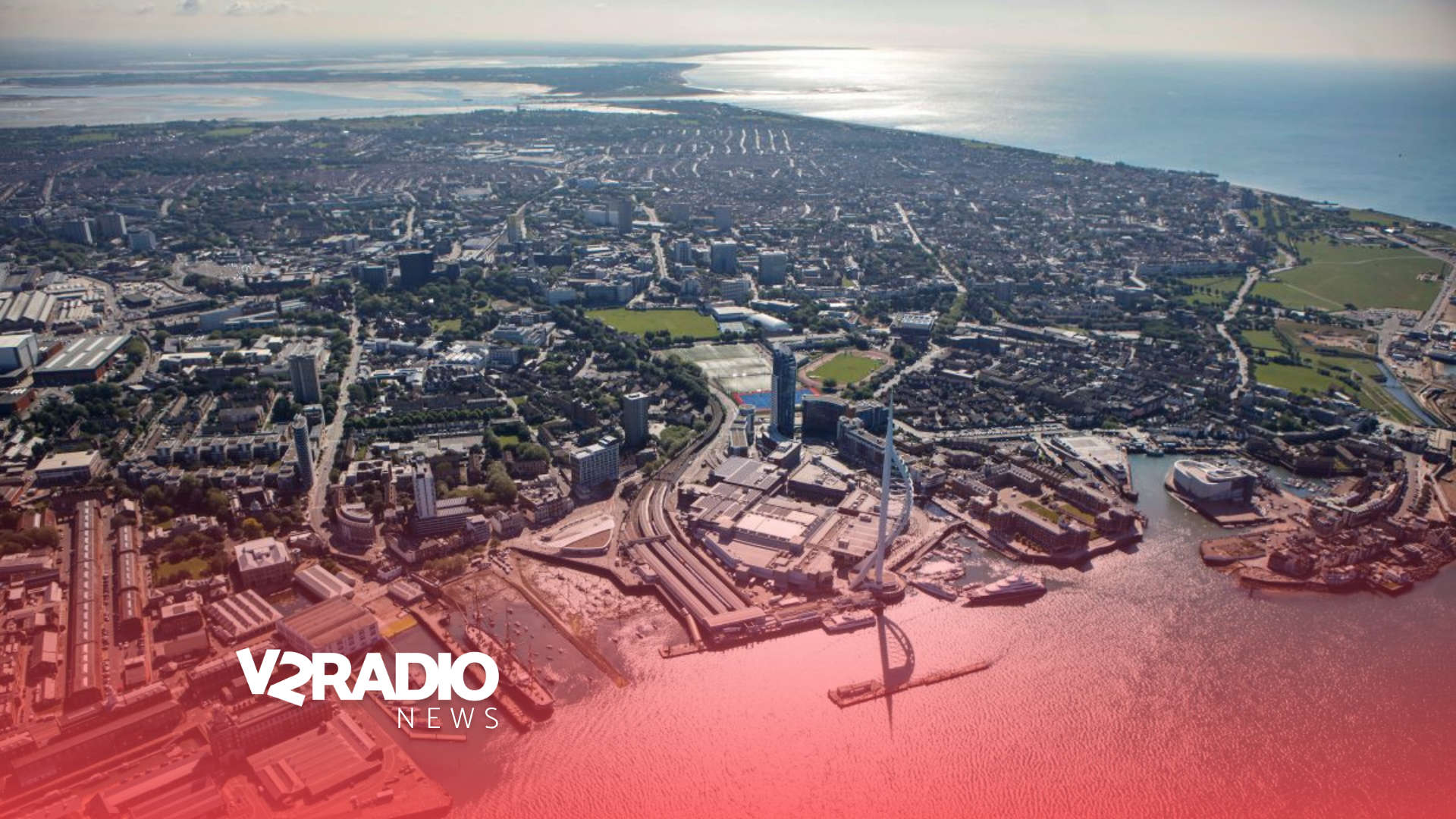
Portsmouth is marking a century of public health progress with a new report highlighting how life in the city has changed since 1926.
Portsmouth City Council’s director of public health, Helen Atkinson, has led a report, titled 100 Years of Public Health in Portsmouth, which looks at changes in the city’s centenary year.
She noted the report shows “major progress made over this time from fewer children dying young, adults living longer, the introduction of vaccination, antibiotics and the creation of the NHS”.
However, she added that life expectancy still lags behind the English average, which “shows us the importance of tackling the wider social, economic and environmental factors that continue to influence health outcomes across the city”.
Population
Portsmouth’s population is now around 214,000, down from 246,900 a century ago, despite the city having around 35,000 more households today.
The average household size has almost halved, from 4.7 people in 1926 to 2.4 today, while population density has fallen from 7,675 to 5,307 people per square kilometre.
Around 15,400 military personnel were estimated to live in the city in 1926, compared with around 8,000 today.
Children and young people aged 19 and under made up around 36 per cent of the population in 1921, compared with 24 per cent today. Meanwhile, the proportion aged over 65 has more than doubled, from six to 15 per cent.
Life expectancy
Life expectancy in Portsmouth in the mid-1920s was estimated at around 60, compared with just over 80 today.
Infectious diseases including bronchopneumonia, diphtheria and pulmonary tuberculosis were among the leading causes of death at the time.
These are “very different” from the causes today, which include accidents, suicide, liver disease, coronary heart disease and cancer.
The report attributes the increase to improvements in “living conditions, public health, housing, sanitation, healthcare and the prevention and treatment of disease”.
Sexual health
The report says the “large numbers of military personnel” in Portsmouth created “challenges for controlling sexually transmitted infections”, with syphilis and gonorrhoea “widespread” in the early 1900s.
STIs accounted for almost a third of sickness absence in the Royal Navy in 1926, while the city’s Venereal Diseases Treatment Centre supported more than 160,000 members of the armed forces between 1917 and 1926.
Stigma was also a major barrier to treatment. In 1920, medical officer of health Dr Andrew Mearns Fraser said people were ignorant of preventative methods because of a “mistaken idea that such knowledge would increase immorality”.
Today, free contraception is available through the NHS, pharmacies and sexual health services, which have “evolved” from a “restricted and controversial subject into an important part of modern healthcare”.
In 2024, 1,471 STIs were diagnosed among Portsmouth residents – 700 per 100,000 people.
Substance use
The challenges facing Portsmouth today are “more visible, more complex” than a century ago. The city has some of the highest rates of drug-related deaths in the country, with alcohol and drug-related mortality around twice the national average.
Substance use harms are described as a “wicked issue”, shaped by deprivation, access to healthcare, drug availability and potency, and disadvantages accumulating over a person’s life.
In 1926, public health focused on infectious disease, maternal and child health, sanitation and housing, with no clear evidence of specialist alcohol or drug treatment.
Support was likely to be informal, voluntary or punitive rather than medical, highlighting how attitudes and services have changed.
Tobacco
Tobacco use was commonplace in 1926, with the health risks largely unknown. Cigarettes were later included in military rations during the Second World War and “promoted for morale and stress relief”.
A landmark UK study in 1950 linked smoking with lung cancer, followed by advertising bans in the 1960s and tax increases.
Today, just over 10 per cent of adults in Portsmouth smoke.
Dental health
Little specific dental data was recorded in the 1920s, but contemporary reports suggest “we can confidently say dental health was poor 100 years ago”.
Tooth decay was “widespread”, with no standardised dental hygiene education. Many people “delayed care” until pain became so severe that teeth had to be removed.
Dentistry was “reactive, painful and focused on removing the problem” rather than treating its cause.
Oral health inequalities remain in Portsmouth today, with deprived communities experiencing higher levels of tooth decay and poor oral health. Limited access to NHS dentists and low-cost treatment has also led to people resorting to tooth extraction, including cases reported in 2025.
Childhood infections
A century ago, childhood illness, infection and death were sadly a normal part of life in Portsmouth.
In 1926, there were 247 infant deaths among children under one, giving an infant mortality rate of 54.9 deaths per 1,000 live births. The rate was almost twice as high among babies born to unmarried mothers.
The leading causes of death among children aged five and under included bronchopneumonia, diarrhoea and enteritis, diphtheria, whooping cough and measles.
By 2024, infant deaths had fallen to seven, with a mortality rate of 3.4 per 1,000 live births.
Air, water and housing
Although there are no local records of Portsmouth’s air quality in 1926, pollution levels were likely much higher than today.
Coal smoke from domestic and industrial chimneys, including Portsmouth Dockyard, would have contributed to lung disease alongside high smoking rates and poor housing.
Drinking water was of excellent quality, sourced from the South Downs chalk aquifers and treated at Farlington. However, coastal waters were heavily polluted by untreated sewage and naval waste discharged into the Solent.
The Eastney Pumping Station, built in 1865 to combat cholera, pumped sewage out to sea. By 1926, there were 14 cases of enteric or typhoid fever, down from 1,083 cases and 92 deaths in 1900.
Housing conditions were also a major public health concern. In 1909, Dr Mearns Fraser described the slum conditions in Portsea as “dangerous and injurious to the health of the inhabitants”.
He blamed the “narrowness, closeness, bad arrangement and bad condition of the streets and houses”, alongside a lack of “light, air, ventilation and proper conveniences”.
Mortality rates in the slums were more than double those elsewhere in Hampshire, with a third of deaths attributed to tuberculosis. Overcrowding also helped spread diseases including tuberculosis and diphtheria.
The full report can be found on the council’s website here.
Get the latest ALERTS for BREAKING NEWS in the SOUTH on your phone by downloading the V2 RADIO APP today!
V2VOUCHERS.CO.UK is offering half-price deals on a wide range of experiences across the South, from meals out at local restaurants to tickets for some of the region’s biggest events.

 Growing concern for missing Worthing teenager Jacob
 Havant's Mental Elf Fun Run returns this festive season
 Horsham pensioner convicted of historic sex abuse
 Midweek football roundup
 89 Westergate homes approved
 Eastbourne DGH bus shelters brought forward after councillors press councils
 More than 72 tonnes of food waste collected in first week across Adur and Worthing
 Police appeal after racially aggravated assault in Portsmouth
 Specialist police dogs deployed to help tackle spiking across Hampshire and Isle of Wight